California Car Loan Laws
California caps dealer document fees at $85, gives you a window to reinstate the contract after a repossession, and added a three-day return right for many used cars in October 2026.
Updated By Lenditia Editorial Team 7-minute read Right to cure
In short
California's car finance law, the Rees-Levering Automobile Sales Finance Act, sets no rate ceiling on a simple-interest dealer contract with more than $2,500 financed, which covers most car purchases. The document processing fee is capped at $85, or $70 for a dealer outside the DMV's electronic registration program. Sales tax starts at 7.25% plus district taxes, and a trade-in does not reduce it. There is no warning period before repossession, but afterward you have a right to reinstate: within the notice period of at least 15 days, you can usually get the car back by paying only what is past due plus costs. The CARS Act, in force since October 1, 2026, adds a three-day right to cancel many used-car purchases.
- Right to cure
- Yes: reinstate after repo
- Rate ceiling
- None on most contracts
- Doc fee limit
- $85 ($70 if not e-filing)
- Vehicle sales tax
- 7.25% + district tax
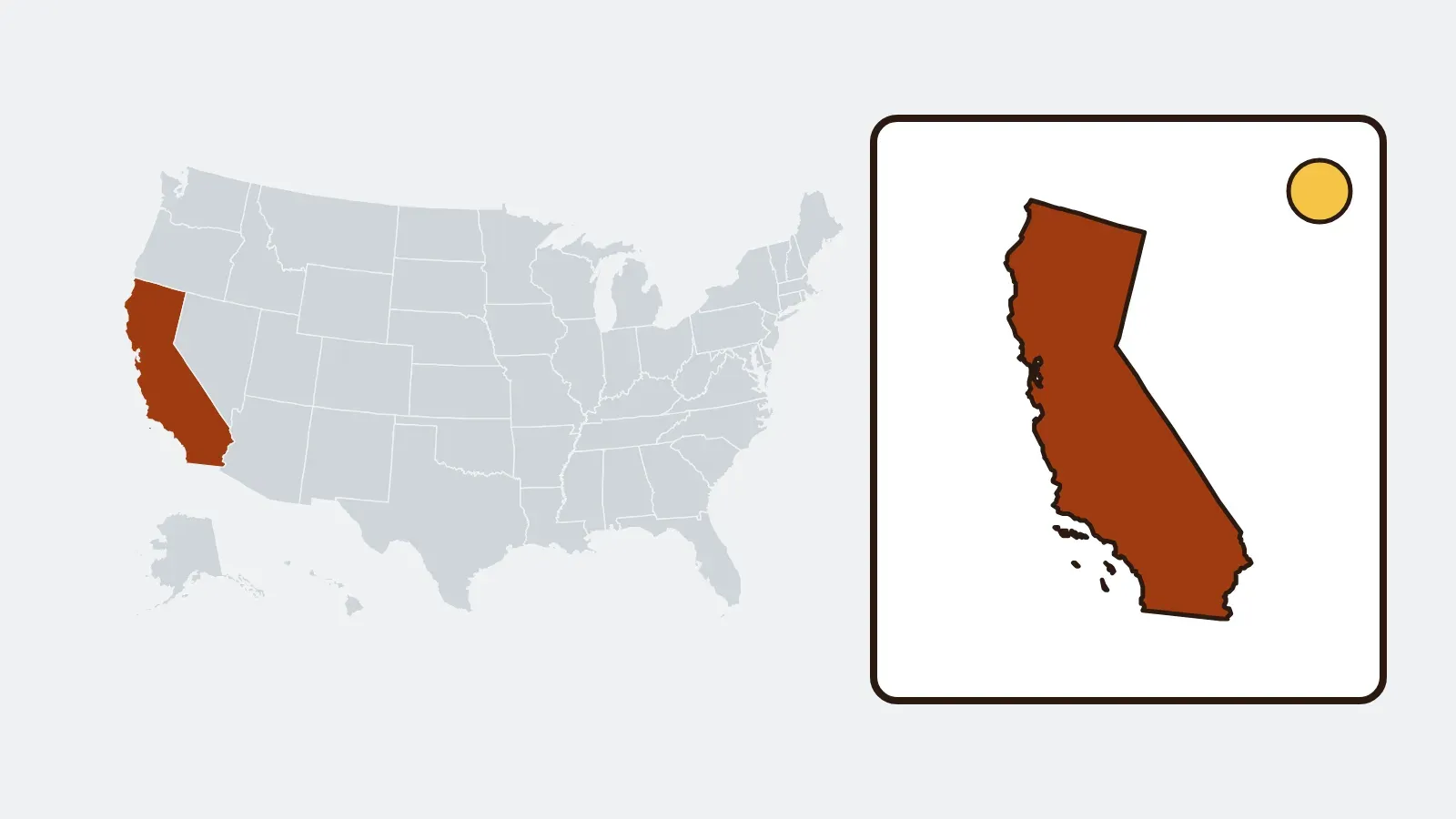
California car-finance rules at a glance
- Right to cure
- Yes, after repossession: reinstate by paying the past-due amount and costs
- Civil Code §2983.3, during the 15-day notice period; once in 12 months, twice per contract, with exceptions. No warning before repossession.
- Rate ceiling
- No cap on simple-interest contracts over $2,500 financed
- Civil Code §2982(j) caps only precomputed and smaller contracts. Banks, credit unions and licensed finance lenders follow other rules.
- Doc fee limit
- $85 (dealers in DMV e-registration), $70 otherwise; Vehicle Code §4456.5
- After repossession
- 15-day notice to redeem or reinstate; deficiency only after a proper notice within 60 days
- Vehicle sales tax
- 7.25% base plus district taxes; no trade-in credit
- Regulator
- Department of Financial Protection and Innovation (DFPI)
What a California dealer contract can charge
A dealer-arranged purchase in California is a conditional sale contract under the Rees-Levering Act, Civil Code §2981 and following. Section 2982(j) limits the finance charge on precomputed contracts and on simple-interest contracts of $2,500 or less financed. Above that, a simple-interest contract has no state ceiling, so the rate on your retail installment contract is what you agree to.
The act controls the contract itself. Optional items such as a service contract, a GAP waiver, a theft deterrent or surface protection must be itemized separately, and the dealer may not charge an application fee. Finance lenders licensed under the California Financing Law, which make direct loans, follow their own rules, and the repossession notices described below do not apply to their loans. Compare offers with the car payment calculator before you sign.
Doc fees, taxes and the CARS Act
- Document processing fee. Vehicle Code §4456.5 caps it at $85 for a dealer in the DMV's electronic registration program and $70 for one that is not. The contract must state that the charge is not a governmental fee. A 2025 bill to raise the cap, SB 791, was vetoed.
- Electronic filing charge. A separate charge for electronic registration may not exceed what the dealer pays its service provider.
- Sales tax. The statewide base rate is 7.25%. Most areas add district taxes of 0.10% to 2.00%, and some have more than one.
- Trade-in. California does not subtract your trade-in from the taxable price. The agreed trade-in allowance stays in the measure of tax (CDTFA Regulation 1654).
What happens if you fall behind in California
California gives no notice and grace period before repossession. Once you default, the holder of a dealer contract may take the car. What sets California apart is what comes after: a written notice of intent, a chance to redeem and, in most cases, a legal right to reinstate the contract by catching up. That reinstatement right is why we count California as a right-to-cure state.
- Notice of intent. The holder must give you at least 15 days' written notice before it sells the car, or 20 days if it mails the notice to or from outside California (Civil Code §2983.2).
- Redeem or reinstate. During that period you can redeem by paying the full balance, or reinstate by paying what is past due plus repossession costs. A written request extends the period by 10 days. Reinstatement is allowed once in 12 months and twice over the contract, with exceptions such as false credit information or hiding the car (§2983.3).
- The sale and the accounting. If you ask within a year, the holder must give you a written accounting of the sale. A surplus must be paid to you within 45 days.
- The deficiency. You owe a shortfall only if the notice went out within 60 days of the repossession and contained everything the statute requires. A holder that wrongly refuses reinstatement loses the deficiency.
Our guides to repossession and the balance left after a sale explain how to use these deadlines.
Where to check a lender and complain
The Department of Financial Protection and Innovation (DFPI) licenses finance lenders under the California Financing Law and takes complaints about them. The DMV licenses car dealers. Banks and credit unions answer to their own regulators. Payday and installment loan caps are on our sister site's California lending laws page.
Department of Financial Protection and Innovation
Licenses consumer and commercial lenders under the California Financing Law and accepts complaints online.
California Attorney General
Takes complaints about deceptive business practices, including car dealers.
Consumer Financial Protection Bureau
Takes complaints about any auto lender or servicer, including banks and finance companies.
Questions people ask
What is the maximum doc fee in California?
$85 for a dealer in the DMV's electronic registration program and $70 for one that is not (Vehicle Code §4456.5). A 2025 bill to raise it was vetoed.
Can I return a used car in California?
Since October 1, 2026, the CARS Act gives a three-day right to cancel many used-vehicle purchases priced at $50,000 or less. The dealer may charge a restocking fee, and new cars are not covered.
Can I get my car back after a repossession in California?
Usually, yes. The notice of intent gives you at least 15 days to redeem by paying in full or to reinstate by catching up, unless an exception in Civil Code §2983.3 applies.
Does a trade-in reduce sales tax in California?
No. California taxes the price without subtracting the trade-in allowance. See our guide to the out-the-door price.
Sources
- California Civil Code §2982: Contract contents and finance charge limits
- California Civil Code §2983.2: Notice of intent after repossession
- California Civil Code §2983.3: Right to reinstate
- California Vehicle Code §4456.5: Document processing charge
- CDTFA: California sales and use tax rates
- CDTFA Regulation 1654: Trade-ins
- SB 766 (2025), the CARS Act: status and operative date
- Department of Financial Protection and Innovation
Facts on this page were checked against these sources on October 26, 2026. The CARS Act took effect on October 1, 2026, and replaced parts of Civil Code §2982.
Read next
-
Help
Repossession
When the lender can take the car, what an agent may not do, and how to get it back.
-
Guide
Out-the-door price
Every line from vehicle price to amount financed: doc fees, sales tax, add-ons and the trade-in.
-
Help
Deficiency balance
How lenders compute what you owe after a repossession sale, and how to check or dispute it.