Refinancing a Car Loan: When It Pays and When It Does Not
A refinance replaces your current car loan with a new one. It can cut the rate, the payment or both, but only the math on your own balance tells you if it is worth it.
Updated By Lenditia Editorial Team 7-minute read Refinance
In short
Refinancing means a new lender pays off your current car loan and you repay the new lender instead. It saves money when the new APR is clearly lower and you keep the remaining term about the same. In our example, moving a $20,000 balance from 11% to 7% over 48 months cuts total interest by $1,823.52. Stretching the same balance to 72 months lowers the payment much more but saves only about $261 in interest. Check your payoff amount, any fees, and whether the car is worth more than you owe before you apply.
- What you need
- A payoff quote
- Main saving
- Lower APR, same term
- Main risk
- Longer term, more interest
- Example saving
- $1,823.52 over 48 months
How an auto refinance works
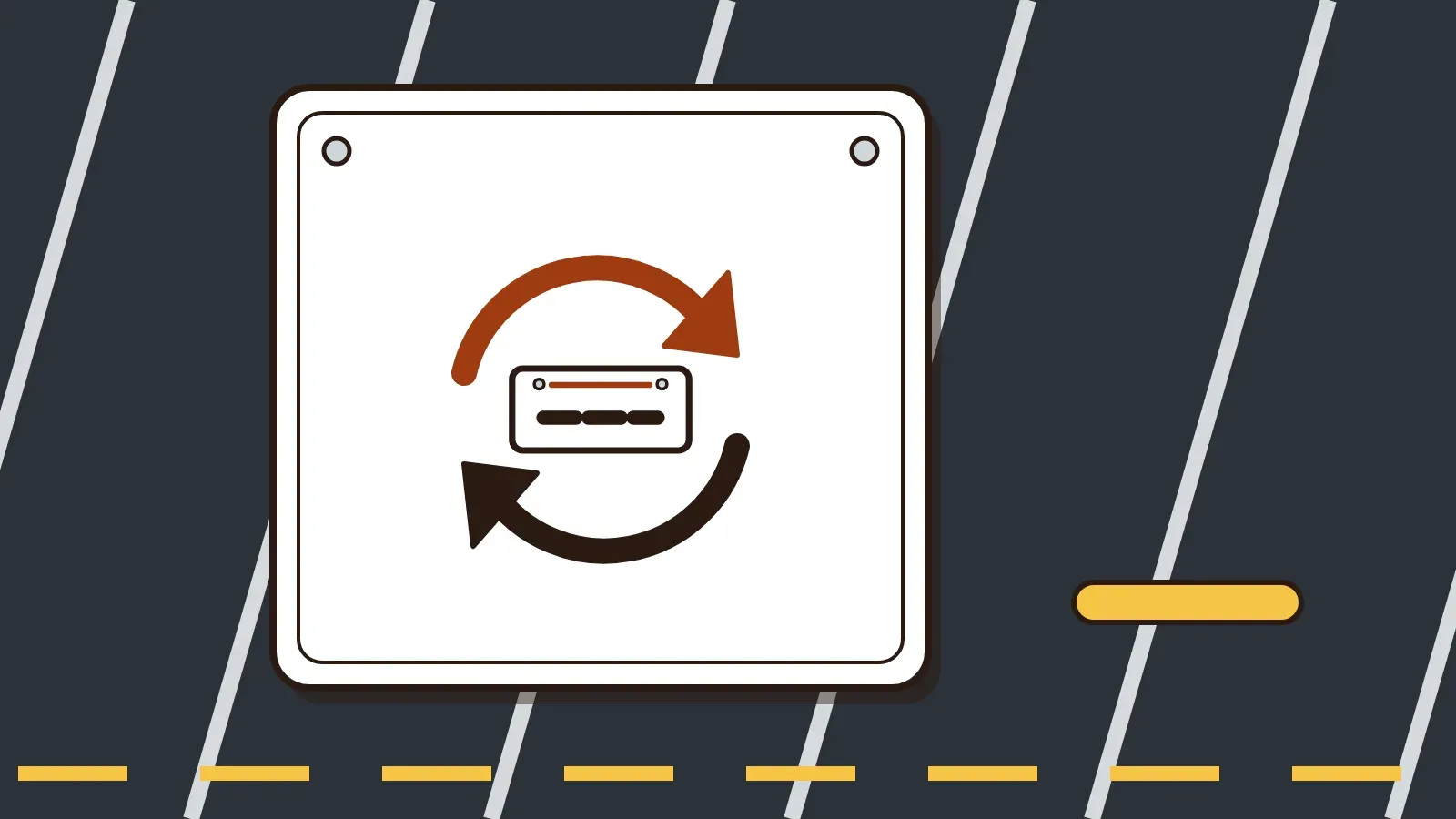
Your current lender holds a lien on the car's title until the loan is paid. When you refinance, the new lender sends your current lender the full payoff amount. The old lender releases its lien, the new lender is recorded as the lienholder with your state's motor vehicle agency, and you start making payments under a new contract with a new APR, term and payment.
Nothing about the car changes: you keep driving it, and your insurer only needs the new lienholder's name and address. What changes is the price of the money. A refinance is a new loan, so it comes with a new credit application, a new Truth in Lending disclosure and, in some states, a fee to put the new lienholder on the title.
- Ask your current lender for a payoff quote. It is not the same as the balance on your statement: it adds interest that builds up until the payoff date, and it is good only through a stated date.
- Check the car's value against the payoff. Lenders want the loan to be covered by the car; if you owe more than it is worth, fewer will refinance it.
- Apply with two or three lenders in a short period, so you can compare offers by APR and total cost.
- Read the new contract before signing: APR, finance charge, amount financed, number of payments and any add-ons.
- Keep paying the old loan until you see written confirmation that it was paid in full.
When refinancing saves money
Refinancing pays off in three common situations. Your credit score has risen since you bought the car, so you now qualify for a better tier. You took dealer financing that carried a high rate or a markup, and an outside lender prices you lower. Or rates in general have moved down since your loan was written.
Credit makes the biggest difference. In Experian's data for the second quarter of 2026, people with scores above 780 paid about 6.3% on used-car loans, those from 661 to 780 about 8.8%, and those from 601 to 660 about 13.9%. Moving up one tier after a year of on-time payments can be worth several percentage points. There is no separate national average for refinance loans in these figures, so treat them as a yardstick, not a quote.
| Option | Monthly payment | Interest still to pay |
|---|---|---|
| Keep the loan at 11%, 48 months | $516.91 | $4,811.68 |
| Refinance at 7%, 48 months | $478.92 | $2,988.16 |
| Refinance at 7%, 60 months | $396.02 | $3,761.20 |
| Refinance at 7%, 72 months | $340.98 | $4,550.56 |
The same-term refinance saves $1,823.52 before fees. The 72-month version cuts the payment by about $176, but you pay for two extra years and save only about $261 in interest. Run your own balance through the auto refinance calculator before you decide.
Costs and catches to check first
- Prepayment penalty: read your current contract for one. Even a modest penalty can wipe out a small saving.
- Title and lender fees: some lenders charge an origination fee, and states may charge to record the new lienholder.
- Negative equity: if you owe more than the car is worth, lenders may decline or charge more. Our page on an upside-down car loan covers the options.
- Add-ons you already bought: GAP or a service contract tied to the old loan may be cancelable for a prorated refund. Ask before you pay off the old loan, and do not buy a duplicate on the new one.
- Age and mileage limits: many lenders will not refinance cars past a certain age or mileage.
When refinancing is a poor fit
A refinance rarely helps when the loan is almost paid off, because most of the interest is already behind you. It also makes little sense if the only way to get a lower payment is a much longer term: you trade a smaller bill now for more total interest and more months of owing money on a car that keeps losing value.
If you are refinancing because you cannot make the current payment, call your lender first. A deferment or a due-date change may be cheaper than a new loan, and a refinance application will not stop a repossession that is already under way. Our page on falling behind on car payments explains those options.
Who refinances car loans
Credit unions
Often competitive for members, and many accept refinances from other lenders. See credit union car loans.
Banks and online lenders
Convenient for comparing. Some show an estimated rate after a soft credit check, before a full application.
Your current lender
Worth a call. It may not cut the rate on an existing loan, but it may agree to move the due date or extend the term.
Lenders that pay for requests may also offer refinance quotes through our financing request form. Lenditia does not lend or set rates; compare any offer you receive by APR and total of payments.
Questions people ask
How soon can I refinance a car loan?
Federal law sets no waiting period. Lenders set their own rules: some want the title already recorded with your current lender, which takes time after a purchase, and some want a few months of on-time payments.
Does refinancing hurt my credit?
Each application can add a hard inquiry, and the new account lowers the average age of your accounts. The effect is usually small and fades as you keep paying on time.
Can I refinance if I owe more than the car is worth?
Some lenders allow it, but many limit how much they lend against the car's value. You may need to pay down the balance first.
Should I refinance to a longer term?
Only if you need the lower payment and accept the cost. A longer term usually means more total interest, even at a lower APR.
Sources
- Consumer Financial Protection Bureau: Auto loans
- Federal Register: Car Loan Interest Deduction, final regulations (91 FR 57214)
- Experian: Auto loan rates and financing, Q2 2026 data (market data)
- Federal Reserve: FOMC statement, September 16, 2026
Facts on this page were checked against these sources on October 26, 2026. Payment figures are our own calculations for illustration, not offers.
Hear from auto lenders about this car
Describe the car and the loan in five answers. Lenditia sends your request to auto lenders, car dealers and loan brokers, who may contact you with financing options. Nothing is agreed until you sign a contract with one of them.
- 1 The car, the amount, your credit and ZIP code.
- 2 Your name, phone, email and consent to be contacted.
- 3 An auto lender, car dealer or loan broker may call, text or email you. Compare any offer by APR and total cost before you sign.
Sending a request costs you nothing. Lenditia is not a lender and is paid by the auto lenders, car dealers and loan brokers who receive requests; they set their own rates and terms. How we make money.
Read next
-
Car loan
Cash-out auto refinance
How lenders size the cash, what it costs over the term, and why a bigger loan raises the risk.
-
Help
Upside-down car loan
Why you can owe more than the car is worth, what rolling it over costs, and your options.
-
Guide
Understand APR
APR vs interest rate, the finance charge on your contract, and how a dealer markup raises the APR.